All plans are set for the Fight Against Irregular Migration to Europe workshops. This is contained in a statement released by one of the project planning coordinators on Monday, 27th May 2019 in Ibadan, Nigeria. Mr Ajibade Afeez reiterated the commitment of the planning committee to deliver impact filled events putting in mind that the level at which youths are desperate to leave the country is becoming alarming.
Fight Against Irregular Migration to Europe (FAIME) is an initiative aimed at enlightening the public, most especially the youths on the dangers of illegal migration to Europe as well as to give information on ways to be fully engaged in one’s home country.
Event Details
Theme of event: Dangers of Irregular Migration to Europe
First Event
Date: 13th June, 2019. Venue: Federal College of Agriculture, Moor Plantation, Apata, Ibadan.
Second Event
Date: 18th June, 2019. Venue: Aganga Hall, University of Ibadan International Conference Center, Ibadan, Oyo State.
What are some of the most common false promises made by human traffickers? Refugees told European media about the most common and most brazen lies they’ve had to hear.
LIE No. 1 “The ship for the crossing is very big, it even has a pool and a cinema.”
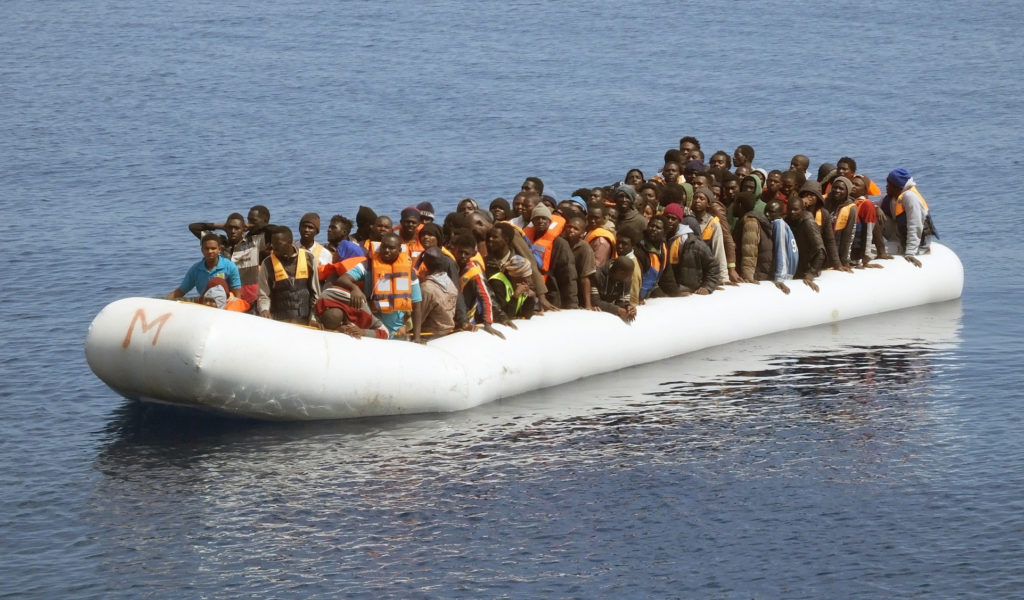
People smugglers often use only the oldest and cheapest boats they can get. Many of these are barely seaworthy. This allows traffickers to maximize profit. In 2016 alone, more than 5,000 people died when crossing the Mediterranean Sea in such boats.
LIE No. 2 “Germany has reserved 800,000 slots for Afghan refugees alone.”
People smugglers are criminals and only interested in your money, not in your life! Thousands of irregular migrants are rejected each year. And sadly, many die during the dangerous passage.
LIE No. 4 “Big German corporations constantly need new workforce, so that Germany takes on 5,000 migrants daily.”
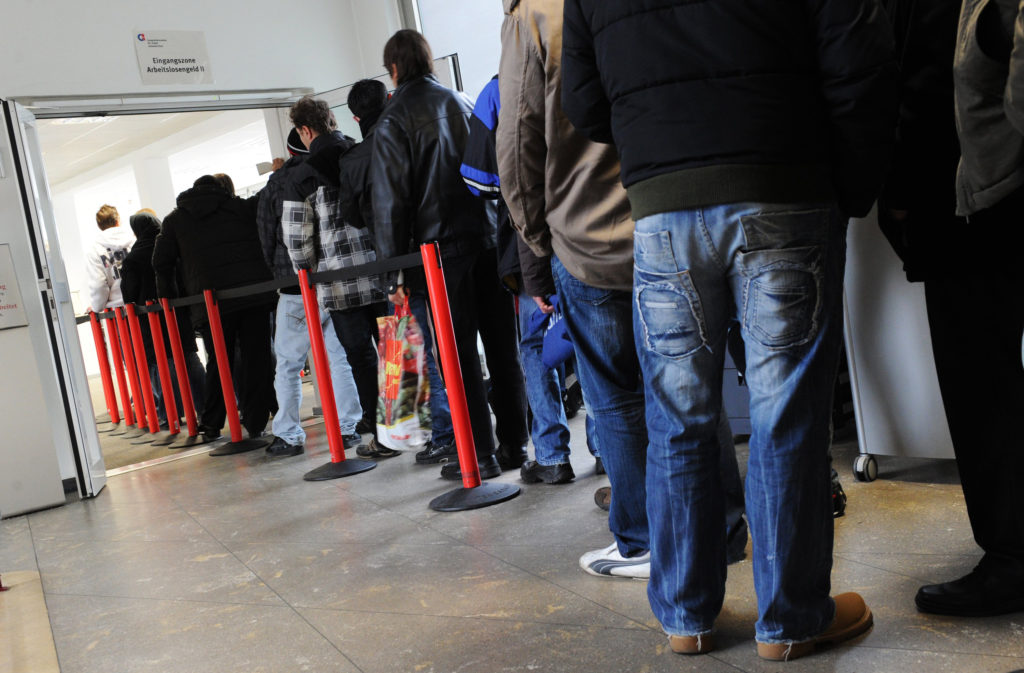
False as well. There is no job quota for migrants. Although there is a need for skilled workforce, those entering Germany illegally will not be able to get a job. Also note that the German government does not provide refugees with jobs.
LIE No. 5 “Every refugee receives a welcome payment of 2,000 euros.”
Contrary to rumours and misinformation deliberately spread by human traffickers, Germany does not provide a welcome payment. By spreading such lies, human traffickers knowingly put people’s lives in danger.
LIE No. 6 “Germany grants a house to every refugee.”
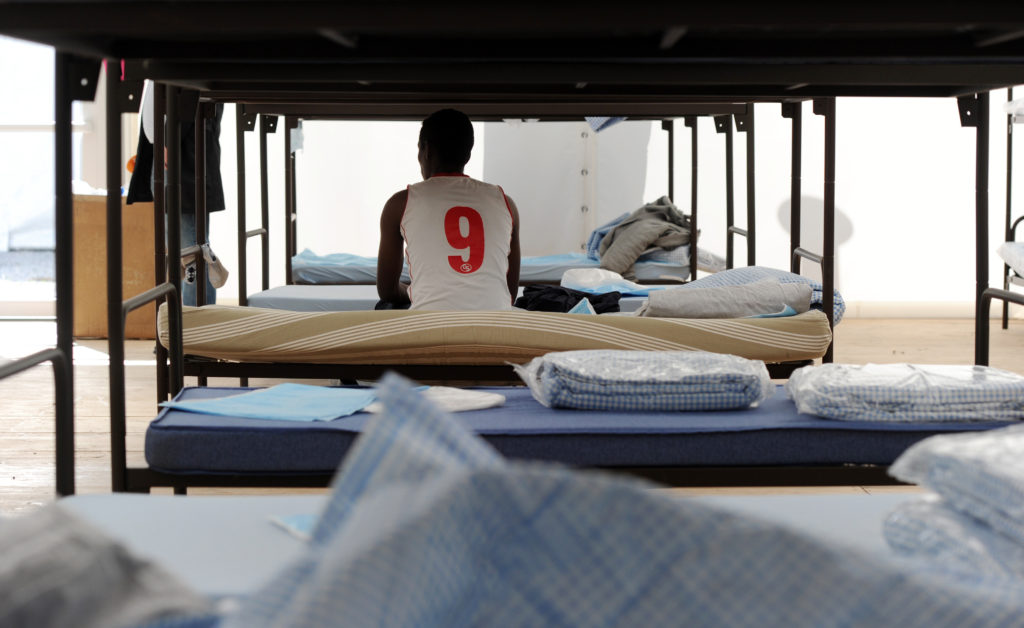
Nobody will be given their own house. In fact, finding a place to live has become more and more difficult in Germany, especially in big cities. Also note that you cannot choose freely where to live while you seek asylum and may have to stay in remote places where nobody understands your language.
LIE No. 7 “…and if you don’t like it in Germany, they’ll just give you a visa for Canada.”
What are my chances? How do I find a suitable job? Do I need a visa? Find out here.Tanja Zech / 22.02.2019
Specialists have good prospects in Germany.Morsa Images/istock/Getty Images
1. Check your chances
The Quick Check on the Make it in Germany website should indicate your chances of working in Germany. There is demand, among others, for doctors, nursing staff, engineers, mechatronic technicians, IT specialists and train drivers. Before you start looking for a job it is best to first clarify whether you need a visa to work in Germany.
For many jobs it can be useful and for some it is even necessary that vocational or educational qualifications from your home country are recognised in Germany. You can check whether this applies to you on the Recognition in Germany website.
3. Look for a job
The job listings on the Make it in Germany website give details of vacancies where international specialists are explicitly sought. You can also carry out job searches on the Federal Employment Agency website, in large employment exchanges like Stepstone, Indeed and Monster or among the vacancies published on business networks like LinkedIn or Xing. If you’re interested in specific companies, look for vacancies directly on their corporate websites.
Normally, an application to a German company includes a covering letter, a CV with a photograph, certificates and testimonials. Make sure you have the required qualifications and emphasise them in your covering letter.
5. Apply for a visa
Citizens from EU countries, Switzerland, Liechtenstein, Norway and Iceland do not require a visa to work in Germany.
Are you a citizen of Australia, Canada, Israel, Japan, South Korea, New Zealand or the USA? Then you can enter Germany without a visa and remain for up to three months. If you want to work here, however, you will need to apply for a residence permit that allows you to take up gainful employment.
Citizens of all other countries require a visa. You should only apply for one when you already have a contract of employment in Germany. Make an appointment at the German Embassy in your country and inform your future employer that it can take some time before all visa formalities are completed.
If you have a higher education qualification that is recognised in Germany, you can receive a six-month visa to look for a job.
6. Obtain health insurance
Health insurance is mandatory in Germany, and that applies from the first day of your stay.
Stay or go? Those thinking about returning to their homeland or leaving to head for Germany have to ask themselves many important questions: Where could I work? What kind of work is on offer in my homeland or in Germany? What are the requirements? What steps do I need to take? And what help can I get?
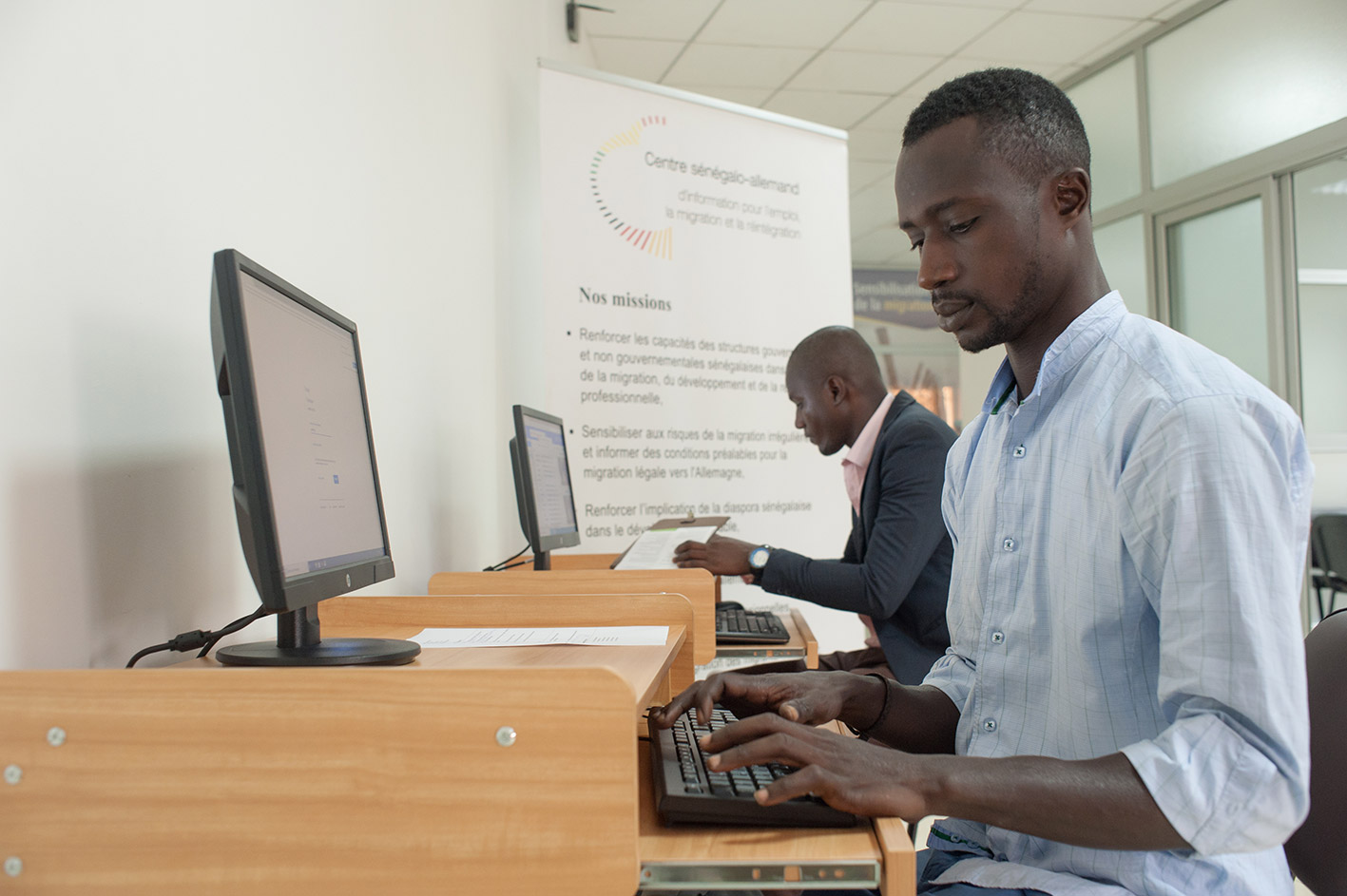
The Federal Ministry for Economic Cooperation and Development is providing answers to these questions on its new website www.startfinder.de.
The website offers information and contacts for job opportunities and support in selected home countries of migrants and in Germany. This means people are better prepared for the future and have support. This can help overcome uncertainty and prevent risks and disappointment.
The staff of the advice centres for jobs, migration and reintegration provide rapid and personal advice in live chats. At certain times, the experts are available through the website and answer any questions individuals may have.
On the website www.startfinder.de, you can find information on the following countries: Afghanistan, Albania, the Gambia, Ghana, Iraq, Kosovo, Morocco, Nigeria, Senegal, Serbia and Tunisia. Egypt and Pakistan are to follow soon. The website is currently available in German and English, other languages will go live in the coming weeks.